
WordPress launched in 2003 as a simple blogging tool, built to give writers an easy way to publish content without needing to touch a line of code. Since then, however, it has grown into the most widely used content management system on the internet, in large part thanks to its open-source model and a massive library of themes and plugins that let users bolt on new functionality without hiring a developer.
There's a good reason it got so popular. For a simple blog, a small brochure site, or a business that just needs something online fast and affordable, WordPress genuinely delivers. It lowers the barrier to entry, it's well documented, and it puts a working website in front of almost anyone with a free weekend and a bit of patience.
But that same growth is what changed WordPress into something quite different from what it started as. What began as lightweight software optimized for publishing text is now commonly running as a sprawling patchwork of third-party code, page builders, and plugins stacked on top of each other, each one solving a problem the core software was never built to handle.
As businesses grow and ask more of their site, that patchwork starts to show its limits, and those limits tend to fall into four categories: security, performance, maintenance and ongoing cost, and how much control you actually have over the finished product.
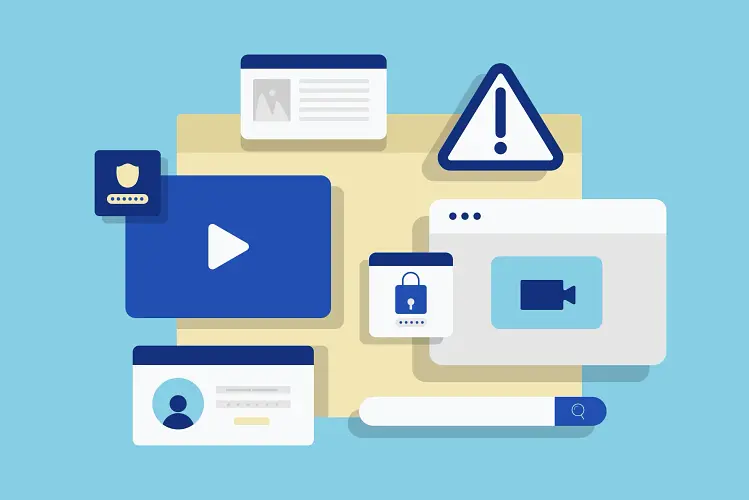
Plugin Stacking & Security Woes
The patchwork nature of WordPress gives it a tonne of flexibility, but there’s a catch: that flexibility leaves you exposed to a whole host of potential security vulnerabilities. Plugin security is the biggest tradeoff that businesses need to consider when choosing to build with WordPress, and understanding the risks is imperative to making the right choice.
In 2025 alone, over 11,000 new vulnerabilities in the WordPress ecosystem were discovered – an increase of over 40% from previous years – and almost all of them came from plugins that lacked proper authentication. That’s like leaving your car door unlocked with the keys still in the ignition.
Plugins are very much a double-edged sword; they offer functionality that wouldn’t be possible otherwise, but they’re also created and controlled by third-party developers who aren’t affiliated with WordPress itself. That means your WordPress site is largely at the mercy of these developers properly protecting and maintaining their plugins for as long as you’re using them. Even a slightly outdated plugin can give attackers an all-inclusive pass into your system that often has no immediate fix.
A big reason why WordPress remains a regular target is precisely because of its popularity; over 40% of all sites on the web right now are built using WordPress, and the vast majority of them use multiple layers of plugins to fit their needs. With such a wide pool of potential victims, the WordPress ecosystem is a safe bet for bad actors looking to access things they shouldn’t.
With a custom website, you trade stitched-together plugins for a robust and interconnected system of modules that are built from the ground up with functionality and security in mind. The J. Harper Kent Foundation’s website is a prime example of a custom site with modern and robust security features that keep users’ data safe from prying eyes.

Performance & The “Maintenance Treadmill”
Lackluster security isn’t the only tradeoff introduced by plugins. When stacking third-party code from different authors on top of each other, plugin conflicts and incompatibilities are bound to come up. The term “spaghetti code” comes to mind, and it’s a very real issue that many WordPress websites have to contend with.
The heavier a WordPress site is (i.e. the more features it has), the more plugins and work it’ll need to accommodate that functionality. This can get messy fast, and often contributes to a treadmill of maintenance, patches, and workarounds just to keep a website working as intended while waiting for a developer to update an essential plugin that’s bricking your site.
Properly fixing these issues isn’t a one-and-done deal, either. The maintenance treadmill needs to be maintained, and that means a constant stream of backend work that often isn’t accounted for in the initial pricing. Many small businesses who opt to costsave with a WordPress website end up paying a similar or higher amount towards ongoing maintenance in the long run.
For your users, a website bogged down by unnecessary piles of code will feel slow, sluggish and unresponsive, which tends to result in a frustrating experience that doesn’t reflect well on the business. A good website acts as a convenient open door to your business from anywhere, but a poorly performing one does the opposite: it detracts from what you’re trying to show potential customers and can instantly fumble a first impression. Depending on its specific needs, small businesses need to consider if the lower cost of a WordPress site is worth the potential headaches later on.
The robust Asset Management System we built for Rogers Electro-Mechanical speaks to the power of building custom websites designed from the very beginning to match the specific needs of your business.
The Personal Touch
In a world so dependent on virtual connection, having a dependable website has become a requirement for businesses big and small. WordPress delivers on making that connection more widely available and accessible to more business owners. However, much like a fast food burger compared to a fresh home-cooked meal, something personal is lost in favour of something quick, simple and generic.
Everything built in WordPress comes from another piece of infrastructure, meaning very little of it is made from scratch. A WordPress site’s functionality wasn’t designed for your website specifically; it was adapted from various other pieces made to work together on top of a platform that was never intended to handle it.
At Websolutions.ca, we build websites that don’t just work for you and your needs; we build sites that become valuable assets for your business, because they’re made with your business in mind from the very beginning. Every line of code is there for a reason, and the design is intentional in order to match exactly how you want your business represented online. For any business that wants to stick out from the rest, that distinction matters.
WordPress has established its place in the market, but a lot of its dominance comes more from force of habit than from a real cost-to-benefits breakdown. Business owners deserve to know the full picture before investing in something as integral as their website; and that’s where we come in. The Riviera Real Estate website’s functionality, thanks to The Kitchen, is a prime example of the true value that customization brings to the table.
If you’d like to discuss whether a custom website is right for your business, reach out today and let’s talk!


