
Ever launched a Google Ads campaign, watched the money disappear, and wondered if your return on investment (ROI) was worth all the fuss? Unfortunately, this happens more often than you might think. At Websolutions.ca, we’ve managed campaigns for businesses across New Brunswick for several years now, from car dealerships to trades to tourism, and we’ve come to notice the same handful of mistakes time and time again.
The good news? Most of them are easy to fix with a bit of know-how and some TLC. Here are eight Google Ads mistakes we run into most often, and what we do internally to avoid them in our campaigns.
1. Relying on keywords for location targeting
It feels logical. If you're a mover in Bathurst, you'd bid on "movers Bathurst NB," right? The problem is that in smaller markets, many people don’t actually search for that exact phrase. As a result, Google will sometimes flag those keywords as “low search volume” and the people you’re trying to reach will never see your ads.
How we avoid it: We let location targeting do the local work and keep most keywords focused on the service, like "moving company" or "local movers." Your ad still only reaches people in your area, but now it can actually show up when they search. That’s the power of proper ad targeting.
2. Showing ads to people outside your area
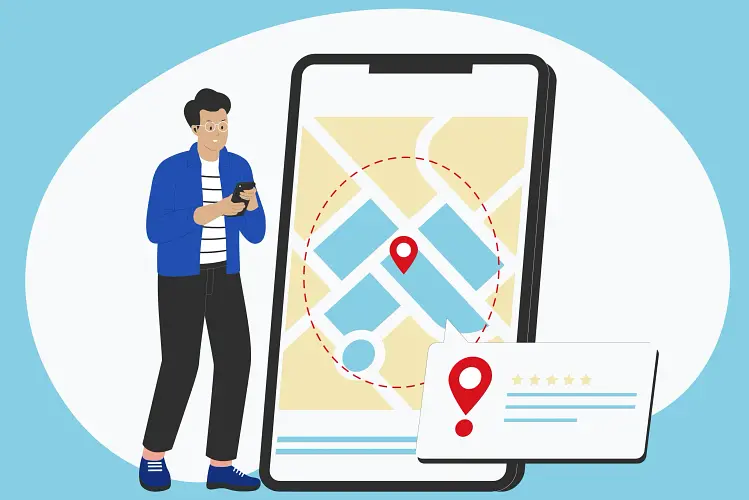
Here's one that surprises a lot of business owners. By default, Google can show your ads to people who are interested in your location, not just people who are in it. That means someone three provinces away, casually reading about Moncton, could click your ad and cost you money. This is great for tourism ads, but may prove more of a hindrance if you’re only trying to reach a local audience.
How we avoid it: We tweak the location settings so that ads only reach people who are in, or regularly in, your service area. For tourism clients who want out-of-province visitors, we double down on that exterior targeting and give it a budget. Knowing who you’re trying to reach (and where they’re located) is a huge part of running effective ads.
3. Using broad match without negative keywords
Broad match lets Google decide which searches are "close enough" to your keywords. Sometimes it's right, but sometimes your welding shop ends up paying for clicks on "how to weld at home" searches. Thankfully, the fix for this issue is built right into Google’s ad infrastructure!
How we avoid it: We build a list of negative keywords before launch (i.e. search terms that your ads will actively avoid) and keep an eye on them regularly in case they need updating. That way, your ad budget isn’t being spent on users who aren’t searching for your specific product or service. When a broad match isn't pulling its weight, we’re also able to lean on phrase match for even tighter control.
4. Not tracking conversions
With most ads, clicks are only part of the picture. Phone calls, filled out forms and booked appointments are often where the real ROI is. Without conversion tracking, there's no way to tell which ads are bringing in customers and which ones are just driving traffic. It also leaves Google's automated bidding guessing, because it has nothing to aim for; essentially, your ads are running without a clear, tangible goal to strive for, and it shows in the results.
How we avoid it: Every campaign we launch has tracking set up for the actions that matter to that business: calls from ads, calls from the website, contact forms, quote requests. Then we judge success based on how many actual leads were generated, not just how many times an ad was seen or clicked on.
5. Sending everyone to the homepage
Someone searches "emergency furnace repair," clicks your ad, and lands on a homepage with a slideshow, your company history and a list of twelve other services. Do they stick around to search for what they originally wanted? The answer is often no. Your website’s pages exist for a reason, and we do our best to make the most of them.
How we avoid it: We point each ad group to the page that best matches what people searched for. If that page doesn't exist yet, we'll often recommend building one. A focused landing page with a clear next step (call now, book online, get a quote) almost always converts better than a generic homepage.

6. Setting it and forgetting it
Google Ads is not a slow cooker. Search habits shift, costs creep up or down, and new irrelevant searches sneak in. The platform itself also has its quirks, and sometimes things don’t quite work as intended. We've seen newly added keywords get lost after saving and entire ads get stuck in review limbo, and nobody ends up catching it until the performance dips.
How we avoid it: We check in on accounts regularly and relay that information to our clients via reports. That means reviewing search terms, adjusting bids and budgets when warranted, testing new ad copy and double-checking that recent changes actually stuck. We also take into account the recommendations Google has for in-market ads, and either accept or reject them based on what makes sense on a case-by-case basis.
7. Spreading a small budget too thin
It's tempting to promote everything at once: every service, every town, every season. But a modest budget split across ten campaigns means none of them gets enough clicks to learn what actually works. That’s why tourism ads usually target specific seasons: it lets ads stay concise and focused on a clear target audience, which also leaves the results straightforward and easy to read.
How we avoid it: We keep campaigns focused on what matters most for your enterprise at any given time. We’ve always believed in quality over quantity, and we carry that sentiment into every campaign we build. The data speaks for itself: fewer, stronger campaigns come out on top in the end.
8. Ignoring ad relevance and Quality Score
Google rewards ads that closely match what people searched for and send them to a relevant page. When keywords, ads and landing pages don't line up, your Quality Score drops. That means you pay more per click and show up less often to the people you’re trying to reach, and before you know it, your budget is gone and your inbox is still empty.
How we avoid it: We group keywords into tight themes, design ads that speak directly to what people search for, and match them with the most relevant landing page. Better relevance means a better experience for the searcher and a better ROI for you and your business.

Make Every Dollar Count
Google Ads works best when someone is paying attention to it. A few smart settings and regular check-ins can be the difference between an ad budget that drains away and one that keeps your phone ringing and your bottom line happy. Monitoring is one of our staple services, and the results we see speak to how effective it is at ensuring your ads accomplish what you pay them to do.
Not sure if your campaigns are making any of these mistakes? We're happy to take a look with you. Reach out today and let's get the conversation started!


